On-site risk check before cutting
We look at lean, deadwood, cavities, hangers, and the drop zone, then pick a method that fits the tree and the surrounding targets.
Serving San Antonio, Texas & surrounding areas
24/7 Emergency Response
Professional tree care starts with understanding a tree's health, structure, site conditions, and long-term needs. Get practical guidance for maintenance, pruning, disease or stress concerns, and whether preservation or removal is the responsible next step.
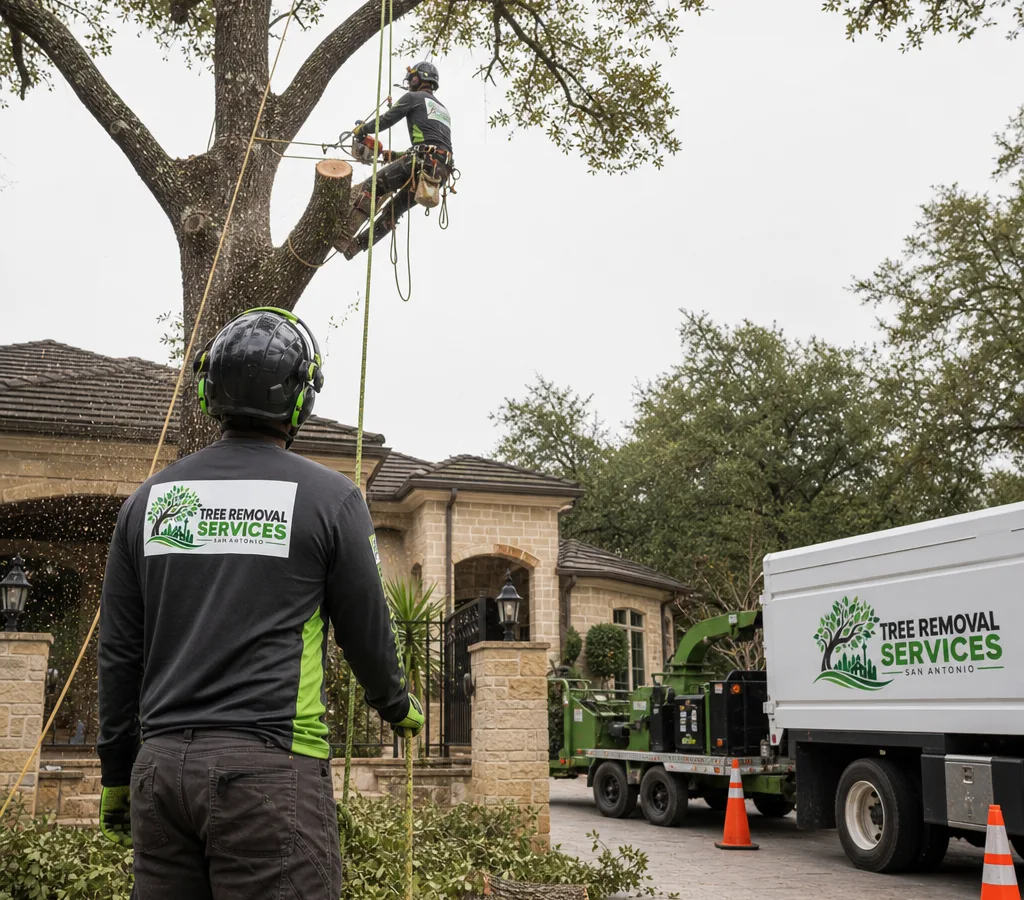
Good tree care begins with observation. Canopy density, leaf color, deadwood, trunk defects, root-zone changes, drainage, recent construction, and exposure to heat all help explain whether a tree is healthy, stressed, or becoming unsafe.
An assessment can lead to monitoring, soil and watering adjustments, deadwood removal, or targeted tree pruning. For more detailed diagnosis and risk guidance, review our Arborist Services.
Removal is not the default. It becomes appropriate when structural weakness, advanced decline, an unsuitable location, or unacceptable risk cannot be managed through reasonable care. When that point is reached, our primary Tree Removal page explains the next step.
We look at lean, deadwood, cavities, hangers, and the drop zone, then pick a method that fits the tree and the surrounding targets.
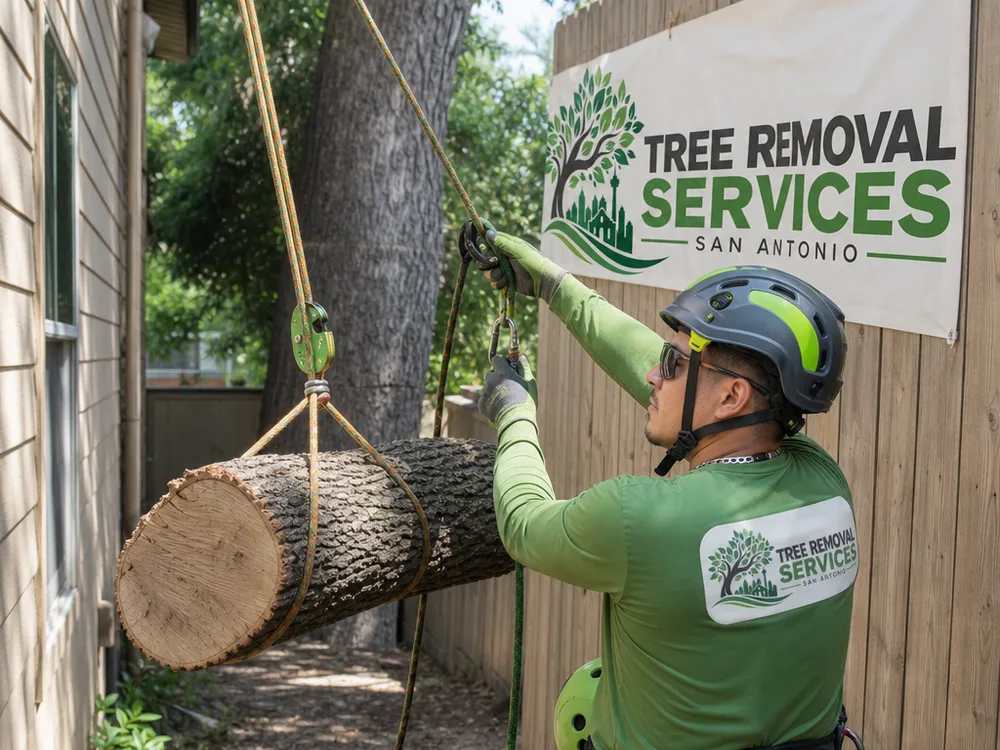
When a tree is over a roof, fence, or tight yard, we remove it in pieces and lower sections with ropes to reduce impact.
We plan for gate width, driveway protection, and where debris will be staged so you are not surprised by equipment placement.
If limbs are close to overhead lines, we treat it as a high-risk zone and coordinate the safest approach rather than forcing cuts.
Brush and wood are managed as part of the plan, with raking and haul-off options discussed up front so the yard is usable again.
Trees in San Antonio can face repeated heat, drought, compacted urban soil, irrigation changes, construction disturbance, and sudden storm loading. A useful care plan looks for patterns over time rather than treating one symptom in isolation.
Maintenance may include correcting watering practices, protecting the root zone, removing dead or damaged limbs, and scheduling structural pruning before defects become harder to manage. Pruning guidance should consider species, age, season, branch attachment, and the reason for each cut.
Discoloration, thinning foliage, unusual leaf drop, fungal growth, cavities, and progressive dieback deserve evaluation. For susceptible oaks, our Oak Wilt page covers an important local concern and why diagnosis matters before work is planned.
If a tree suddenly splits, uproots, or threatens an occupied area, shift from routine care to hazard control and review Emergency Tree Removal guidance.
We look at the tree's condition, including deadwood, decay indicators, and root plate movement, along with the targets and access. Then we outline the safest approach and what is included in cleanup.
Before cutting, we set the drop zone, stage equipment, and protect surfaces that need it. For tight removals, we set lines and rigging so sections come down under control.
We perform the agreed scope using proper cuts and safe positioning. If the plan changes because hidden decay or shifting loads appear, we stop and explain the change before continuing.
We chip and load brush, manage wood per the agreed plan, and rake and blow off affected areas. Before we leave, we confirm the site is clear and the risks are addressed.
The cost of professional tree care depends on the service recommended after assessment. A health or risk evaluation, selective pruning, deadwood removal, ongoing maintenance, and full removal involve different scopes, access needs, and amounts of work.
Tree size, condition, location, proximity to structures or utilities, debris handling, and the need for follow-up monitoring all affect the final scope. An on-site review helps avoid prescribing unnecessary work and keeps the recommendation tied to the tree's actual condition.
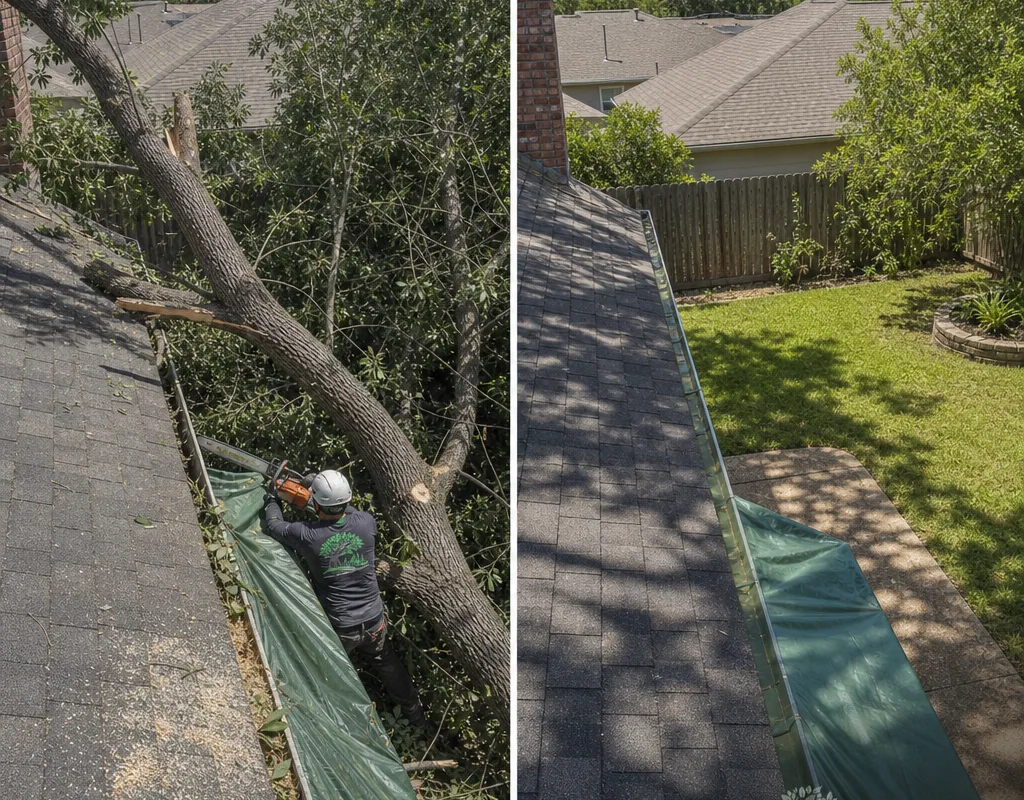
“We had a big limb split and hang over our roof after a storm. The crew explained what was under tension, set ropes, and lowered everything down without hitting the shingles or our fence. The cleanup was better than I expected.”
“They didn't rush into cutting. They walked the yard, talked through options, and then removed the tree in sections because of how close it was to the house. No damage, and they left the driveway clear.”
Emergency response depends on storm volume and immediate hazards, but we prioritize jobs with blocked access, trees on structures, and unstable hangers. Once you describe the situation and share photos if available, we can tell you what the safest next step is and whether same-day scheduling is realistic.
Yes, but work near overhead lines changes the plan and may require coordination with the utility for safety. If a limb is touching a line, keep everyone back and do not attempt cutting or pulling; the work approach is determined by clearance and hazard conditions on site.
Certified tree care can include risk-reduction pruning, deadwood removal, weight reduction over targets, and selective thinning when appropriate. The right scope depends on the tree's structure and what it could hit if it fails, so we inspect first and then recommend the least invasive option that still addresses the risk.
Yes. For tight removals we use controlled lowering, plan landing zones, and may use protective measures where impacts could occur. If the tree can't be safely dropped in one piece, we dismantle it in sections so debris is managed rather than falling freely.
Not always. Stump removal is optional and depends on what you plan to do with the area afterward, like replanting, lawn repair, or construction. During the inspection, we can talk through what stump grinding would change for access, cleanup, and scheduling.
Removal makes sense when the tree is structurally compromised, repeatedly dropping large deadwood, leaning due to root issues, or positioned where a future failure would be unacceptable. If the structure is sound, targeted pruning can often reduce the risk over roofs, driveways, and play areas without taking the whole tree down.
Tell us what has changed in the canopy, trunk, or surrounding site. An on-site assessment can clarify maintenance priorities, pruning guidance, health concerns, and whether monitoring or removal is appropriate.