
Controlled grinding depth
We grind the stump and major surface roots to a practical depth for your next step, whether that is sod, soil and seed, mulch, or a small planting bed.
Serving San Antonio, Texas & surrounding areas
24/7 Emergency Response
Get rid of tripping hazards, pests, and ugly leftovers with a careful, professional removal and a clean finish that is ready for grass, stone, or new planting.
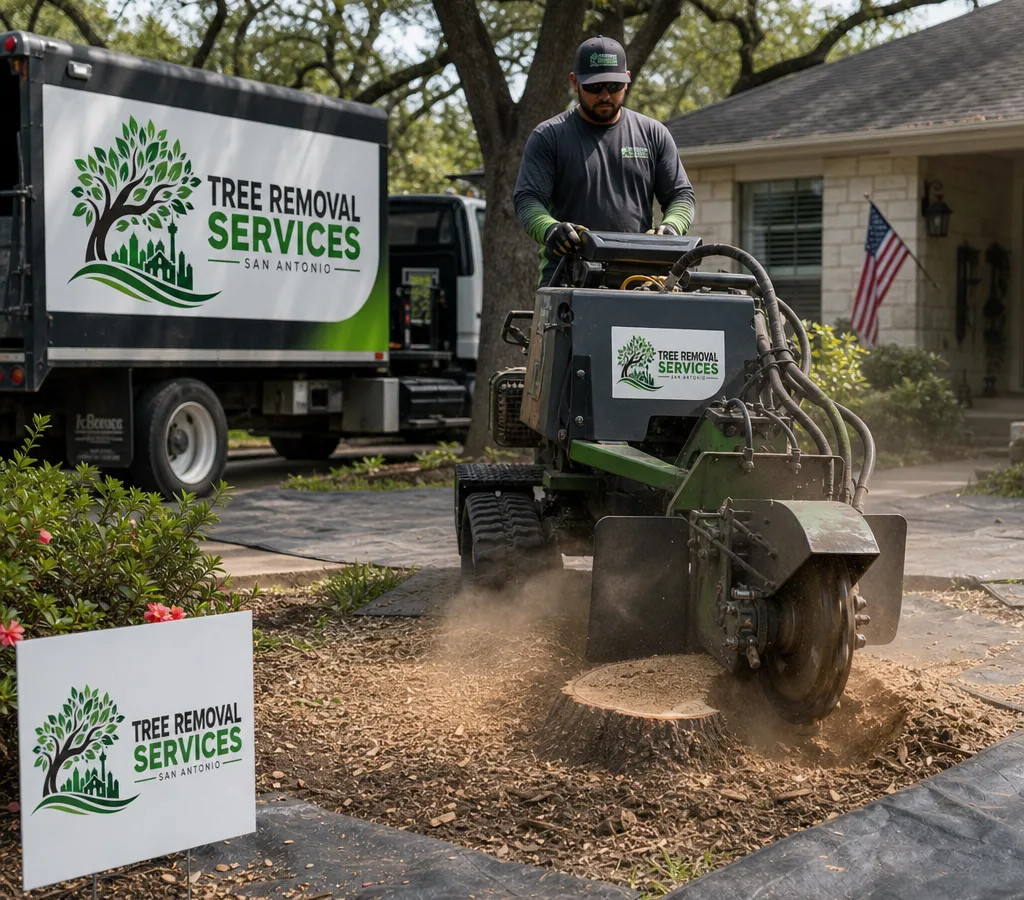
If you are searching for San Antonio stump removal, you are usually trying to solve a simple problem: you want the stump gone without tearing up the rest of the yard. Stumps turn into trip points, get in the way of mowing, and can attract insects as they decay. They also make it hard to replant or lay pavers because the root flare and surface roots sit exactly where you need a level grade.
Tree Removal Services San Antonio removes stumps with the right equipment, a clear plan for access, and a cleanup that leaves the area usable. We work in tight side yards, near fences, and close to hardscape where careless grinding can throw debris or scar surfaces. When the work is done, you are not left with a crater and a mess. You get a predictable, controlled removal and a tidy site so you can move on to landscaping.
We grind the stump and major surface roots to a practical depth for your next step, whether that is sod, soil and seed, mulch, or a small planting bed.
We plan the approach to minimize rutting and keep chips and debris off nearby walls, driveways, and patio areas. Sensitive edges get extra attention.
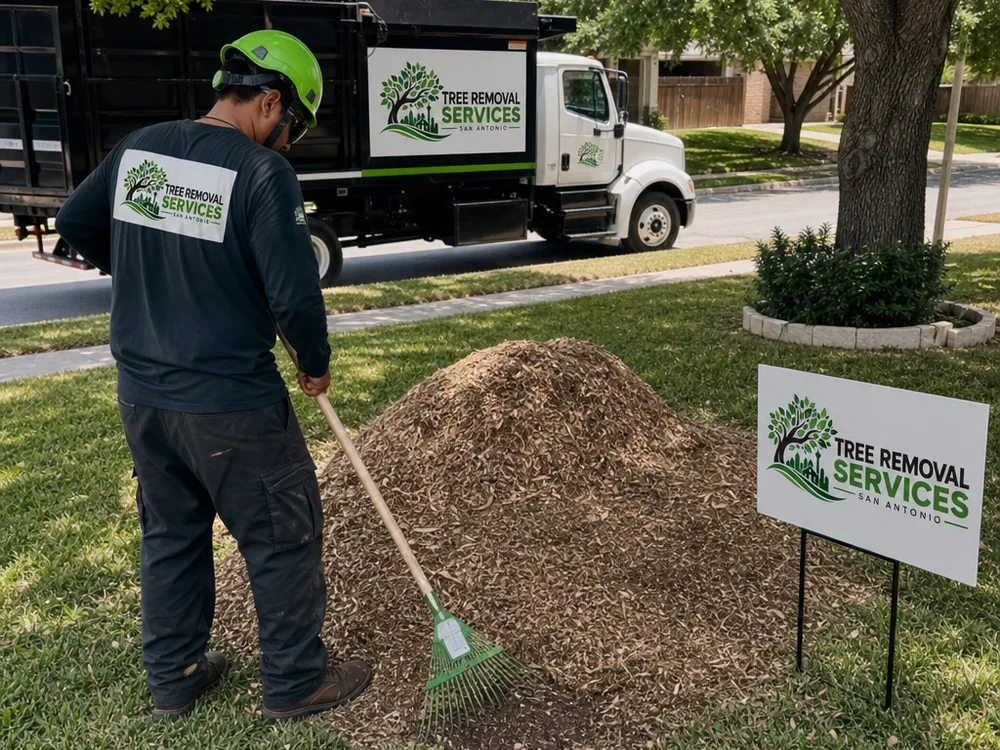
Wood chips can be hauled away or left on site if you want them for mulch. We confirm disposal preferences before equipment is fired up.
You will know what stumps are included, what access we need, and what the finished area will look like when we are done.
Stump work is usually quick once on site. We set expectations for timing and any constraints like gate width or proximity to utilities.
Most stump removal San Antonio jobs are done by stump grinding. Grinding chips the stump down below grade so the visible wood is gone and the area can be backfilled and finished. What changes from property to property is access and what is around the stump.
A stump in an open backyard is straightforward. A stump near a fence line, irrigation heads, or a small retaining wall takes more planning to avoid damage. Stumps that were cut low are often easier to grind cleanly than tall, jagged cuts. Species and age matter too. Dense hardwoods tend to grind slower, and older stumps can have wider surface roots that need extra passes.
In San Antonio, hot stretches can dry out topsoil and make yards less forgiving for equipment turns, while sudden storms can soften turf fast. We adjust how we stage and move equipment so your yard is not the casualty of the removal.
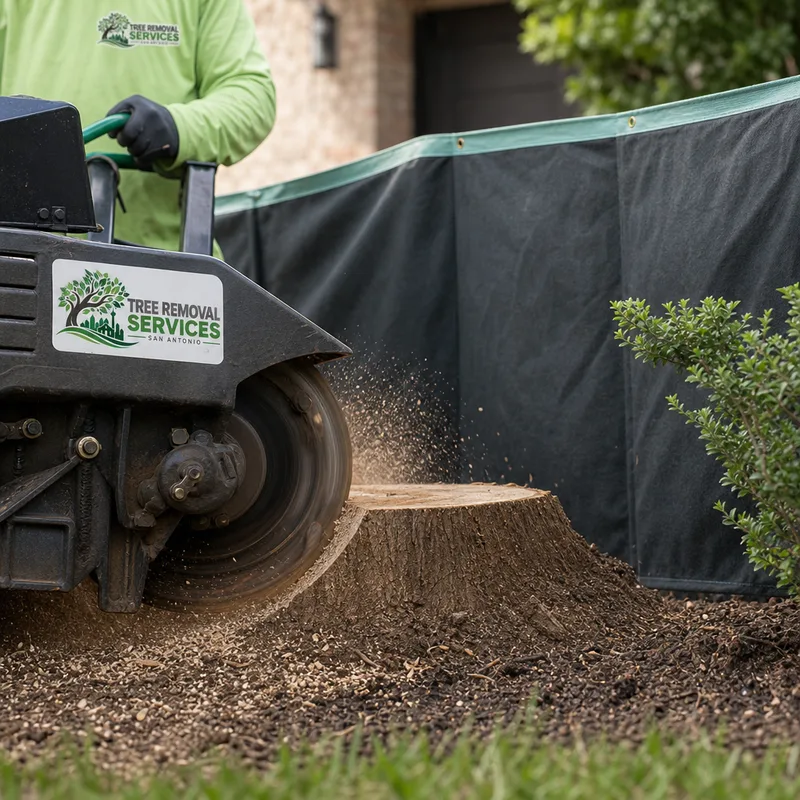
We check gate widths, slope, and what is close to the stump—fences, AC pads, irrigation, and pavers. If there are multiple stumps, we confirm which ones are included and the best order to tackle them.
We set the work area to reduce flying chips and keep equipment travel where it makes the least impact. If there is delicate landscaping, we plan the approach before grinding begins.
We grind the stump down to the agreed depth and address the main surface roots that would interfere with leveling or replanting. The goal is a usable footprint, not a half-finished hump.
We rake and tidy the area, then review next steps with you: whether you want chips removed, how much backfill you may need, and what to expect as the ground settles over time.
San Antonio stump removal typically ranges from about $150 to $600 for a single stump, with small, easy-access stumps at the low end and large diameter stumps with tight access at the high end. Multiple stumps are often priced as a grouped project rather than strictly per stump.
Your final price depends on stump diameter, wood density, how many surface roots must be ground, access such as gate width, slope, and stairs, and how close the stump sits to fences, rock beds, or hardscape. Exact pricing is confirmed after an on-site look at the stumps and the access path.
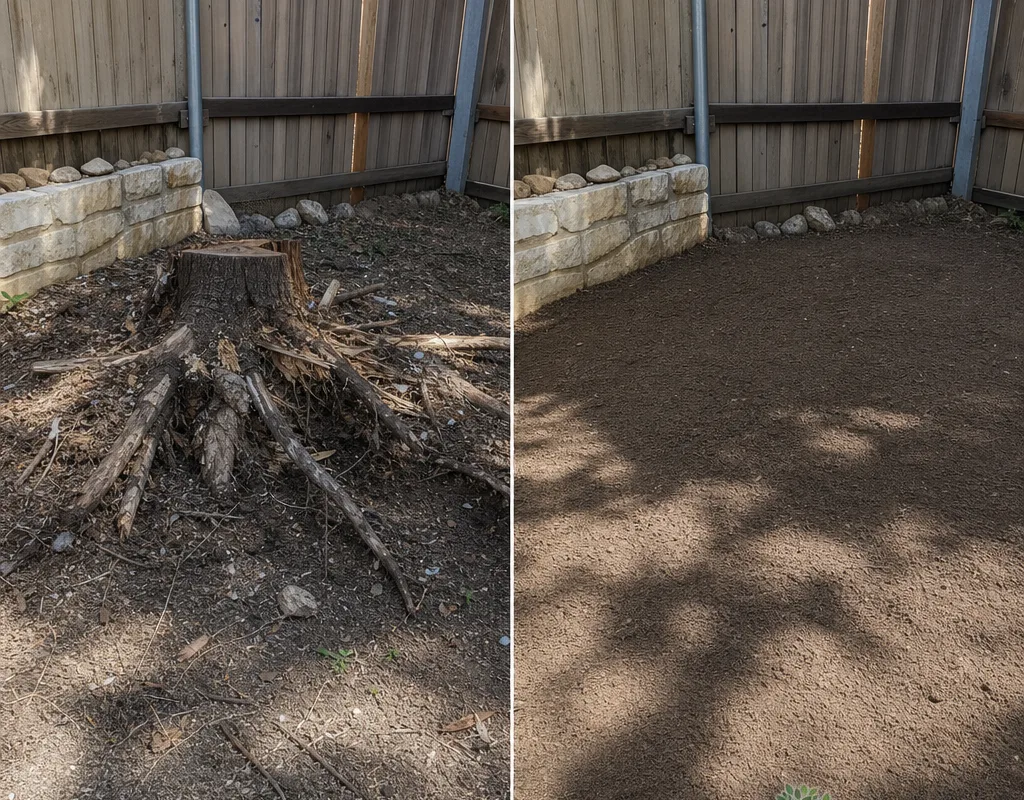
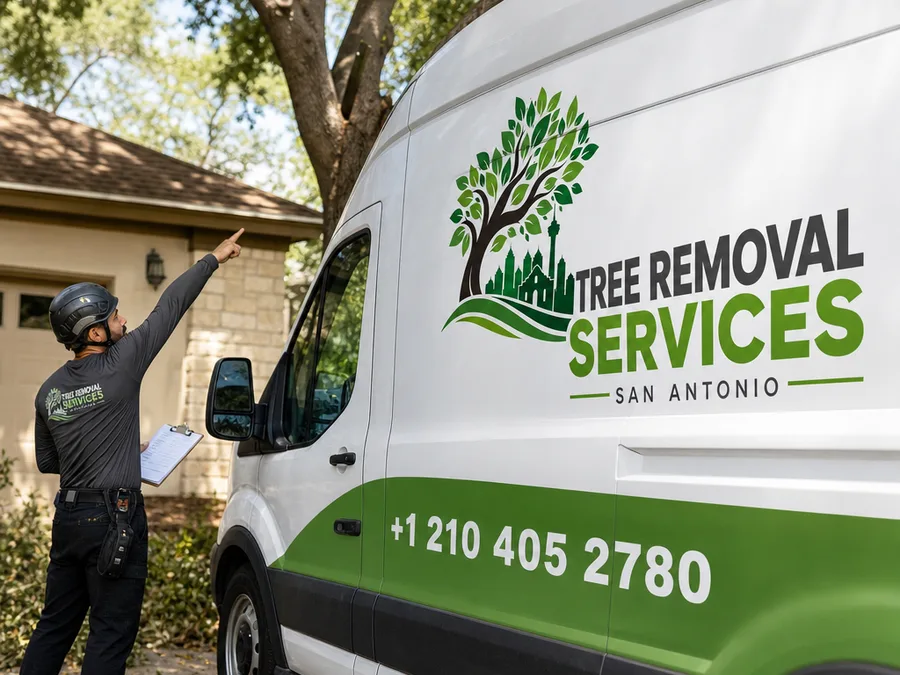
Older neighborhoods and established landscapes can make stump removal more technical than it looks. In Alamo Heights and Terrell Hills, for example, mature trees and dense plantings often mean stumps sit close to irrigation and decorative borders, so containment and careful positioning matter. In Stone Oak and other North Side areas, many properties have tighter side-yard access and fencing layouts that affect what equipment can reach the stump and how chips are managed.
If your stump is near a utility corridor, the safest next step is always to have underground utilities located before any digging or major root removal. Stump grinding itself stays near the surface, but planning for what comes after—backfill, new plantings, or hardscape—is where utility awareness really pays off.
If the stump is the leftover from a larger tree issue, you may also want to address the bigger picture. Some homeowners bundle stump work with tree removal in San Antonio so the yard is cleared in one coordinated visit.
Most stumps are ground several inches below grade so you can add topsoil and finish the surface, but the right depth depends on what you are doing next. For grass or mulch, a standard grind depth is usually enough; for replanting or small hardscape, you may want deeper grinding and more surface-root work in that footprint.
Yes, in many cases, but it depends on access, clearance, and how the stump sits relative to posts, slabs, and edging. Tight spots often require a smaller grinder and more time spent controlling chip throw and avoiding contact with the structure, which can affect price and scheduling.
The visible stump and major surface roots in the work area are ground away, but the remaining roots deeper in the soil are left to decay naturally. That is normal for stump grinding, and it avoids unnecessary excavation that can damage surrounding landscaping and create a much larger disturbed area.
We can haul chips away or leave them on site, depending on your preference and the volume produced. Many homeowners keep some chips for mulch, but if you plan to lay sod or seed right away, removal and clean backfill usually makes the next step easier.
A single stump is often completed within an hour or two once we are set up, but large diameter stumps, multiple stumps, or difficult access can extend the visit. We will set expectations after seeing the size of the stump and the path the equipment must take.
You should pause and get utilities located before any work that involves digging or major root removal near marked corridors. Grinding is a surface-focused method, but the safest approach is to confirm what is underground first, especially if the stump is near the street, a meter, or where you plan to dig for landscaping afterward.
Send a few details about the stump location and what you want to do with the space after removal. We will confirm access, cleanup preferences, and a clear scope so the finished area matches your landscaping plan.