Risk reduction near homes and driveways
We assess lean, canopy weight, cracked or included unions, and dead tops. The goal is to reduce the chance of failure over roofs, fences, vehicles, and play areas.
Serving San Antonio, Texas & surrounding areas
24/7 Emergency Response
Hazard checks, precise pruning, safe removals, and a clean finish. Get a clear plan and a written scope before any cutting starts.
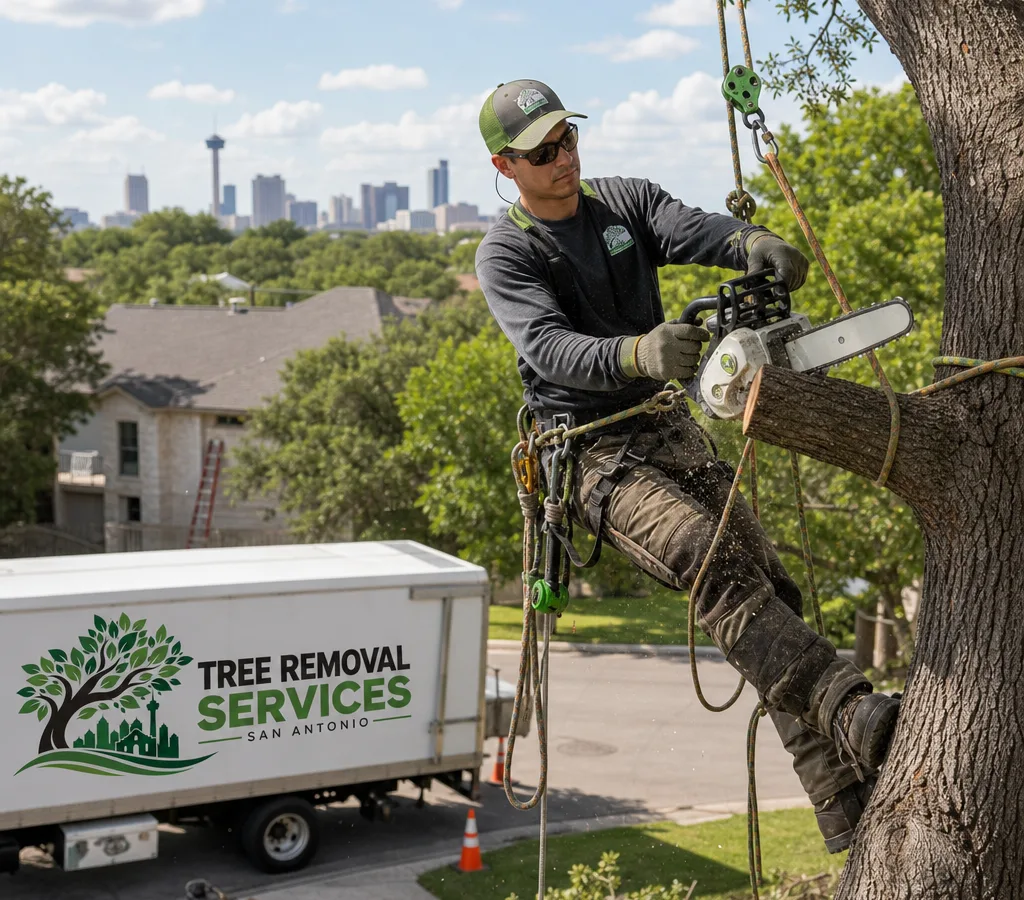
When you search for a tree surgeon San Antonio homeowners can rely on, you are usually looking for more than a crew with a chainsaw. A tree surgeon focuses on tree health and risk management: inspecting structure, identifying deadwood and weak unions, recommending pruning that reduces failure risk, and removing trees that cannot be kept safely.
San Antonio weather can be hard on trees. Long dry spells, sudden heavy rain, and strong storm winds all expose weak attachments, hidden decay, and root problems. A good plan starts with an on-site look at the whole picture: the target tree, what it could hit if it fails, and how access and drop zones actually work in your yard.
Tree Removal Services San Antonio handles tree work for residential and commercial properties across the metro. If you are also comparing crews for removals, you can review our broader San Antonio tree removal service and then come back to this page for what tree surgeons do differently: diagnosis, careful pruning, and risk-focused decisions.
We assess lean, canopy weight, cracked or included unions, and dead tops. The goal is to reduce the chance of failure over roofs, fences, vehicles, and play areas.
We prune for structure and clearance while respecting the tree's growth habit. Cuts are made to reduce future breakage and stress, not just to make it look smaller.
After high winds, we can remove hanging limbs, stabilize damaged canopies, and outline next steps if a tree is no longer safe to keep.
Decay pockets, root damage, and girdling roots can be subtle. A site visit helps confirm what is actually happening and what options make sense.
If there is no clear drop zone, we use ropes and controlled lowering to prevent damage to landscaping, nearby structures, and hardscape.
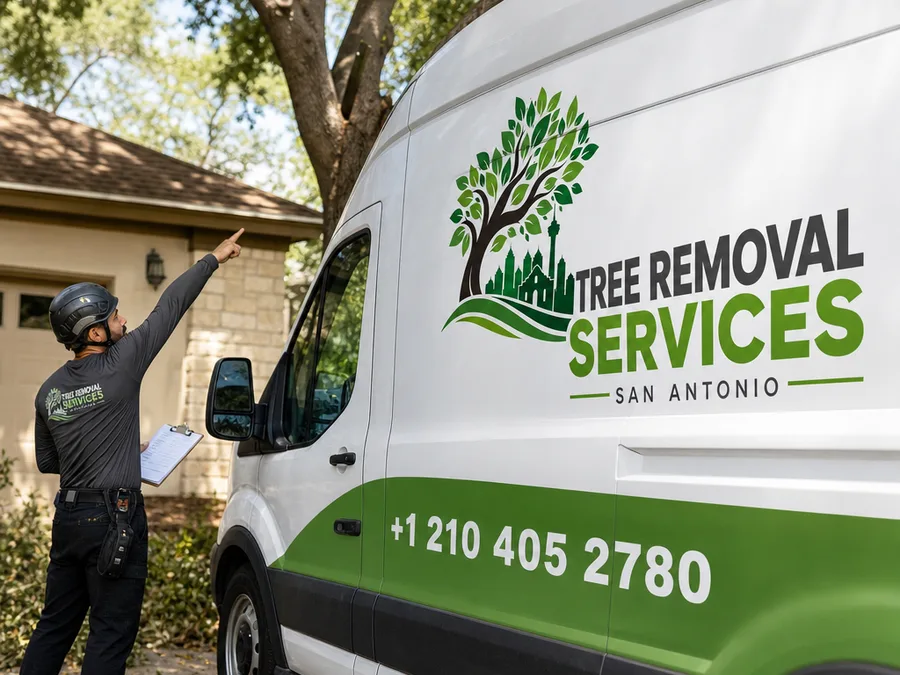
The fastest way to get the wrong outcome is to start cutting before the risk is understood. Our process begins with an on-site inspection of the trunk, canopy, and root flare, then a practical work plan.
What we look at:
If overhead lines are involved, we plan the work to maintain safe clearance and coordinate the right approach. In San Antonio that often means thinking ahead about tight side yards, backyard access gates, and the kind of pruning that reduces weight without stripping the interior of the canopy.
You will get a clear scope of what we recommend, what we are not recommending, and why. Good tree work is specific to the tree and the site, not a one-size cut pattern.
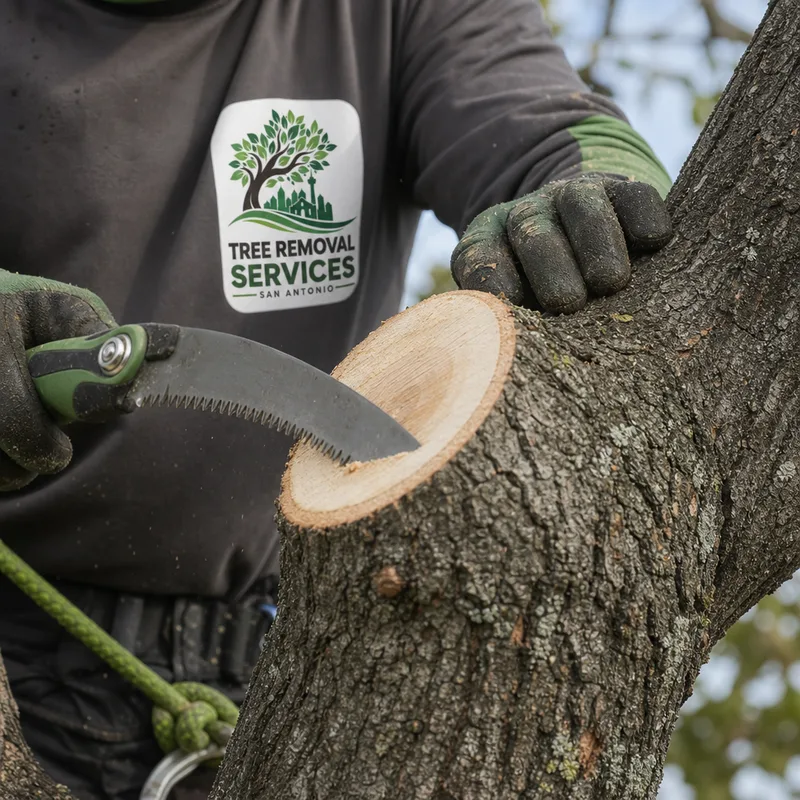
We walk the property, discuss your concerns, and identify hazards such as dead tops, weak unions, or limbs over high-value targets. We also confirm access and a realistic drop zone.
You get a straightforward scope: what will be pruned or removed, how debris will be handled, and what equipment is expected. If there are safer or more cost-effective options, we explain them.
Before cutting, we set up a controlled work area, plan rigging points, and protect surfaces where needed. For complex removals, we plan piece-by-piece lowering.
Pruning focuses on structure, clearance, and deadwood removal. When removal is the right call, we dismantle in a controlled way to reduce impact to nearby trees, landscaping, and structures.
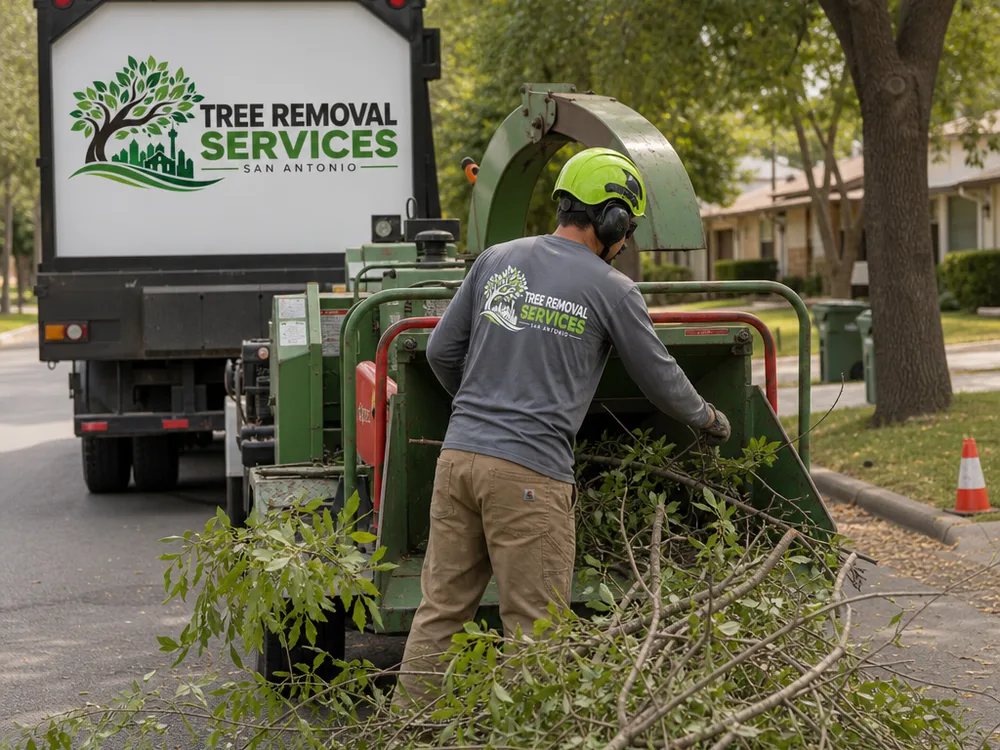
We chip and haul debris as scoped, tidy the work area, and confirm the results with you on-site so there is no confusion about what was done.
Most tree surgeon work in San Antonio typically ranges from about $250 to $1,500+, depending on whether it is targeted pruning, hazard limb removal, or a complex take-down. Small pruning jobs often land around $250 to $600, while large trees with tight access, rigging, or proximity to structures can run $900 to $3,000+.
Price depends on tree size and species, how much canopy is being reduced, climb difficulty, obstacles such as fences, roofs, and landscaping, hauling needs, and whether stump work is included. The exact cost is confirmed after an on-site inspection and a written scope.
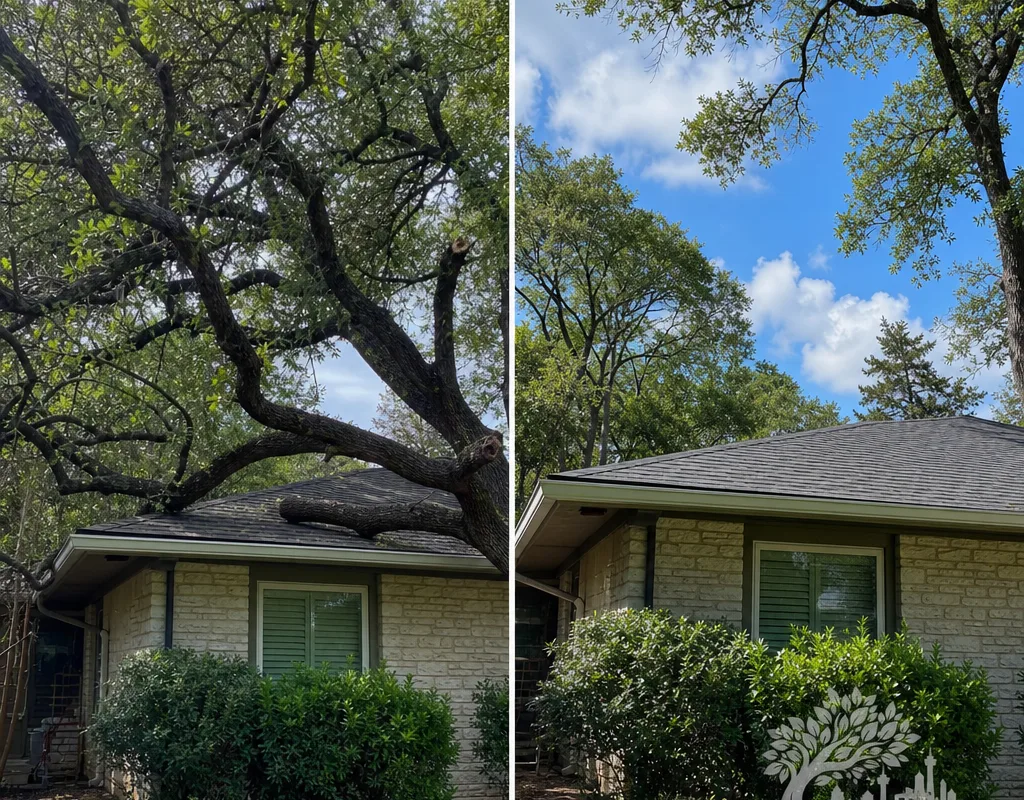
“We had a big limb over the roof that kept dropping deadwood. They explained what was unsafe, made clean cuts, and the yard was cleaner when they left than when they arrived.”
Megan R.
“The quote was clear about what was included. They used ropes to lower sections over the fence line, and nothing was damaged.”
Carlos T.
If you are seeing dead tops, cracked limbs, multiple stems pulling apart, or heavy limbs over a roof or driveway, a tree surgeon is the right starting point. Routine trimming is mainly clearance and shaping, while tree surgery focuses on structural risk, tree health, and a controlled plan for high-consequence cuts.
Yes, and that is usually the better approach. Proper pruning reduces weight and improves clearance using selective cuts, often called reduction or structural pruning, rather than topping, which can create weak regrowth and increase long-term risk.
Yes, but the approach depends on the line type and clearance. We inspect the site first, plan safe access and rigging, and use controlled cuts and lowering so branches do not swing into lines. If the situation requires utility involvement, we will tell you before work begins.
Scheduling depends on season and storm activity, but we prioritize hazardous situations like hanging limbs, split stems, or trees that are actively failing. Share what you are seeing—photos help—and we will advise the safest next step and the soonest practical visit window.
Yes, debris handling is defined in the written scope so you know what is being hauled, what is being chipped, and what, if anything, you want left for firewood. Cleanup is part of professional tree work, and we confirm expectations before we start cutting.
Removal is often the safest option when there is significant trunk or root decay, severe lean with compromised roots, major storm damage, or structural defects that cannot be corrected with pruning. We will explain the risk in plain terms and outline options, including staged pruning when removal is not immediately required.
Tell us what you're seeing and where the tree sits on the property. We'll schedule an on-site assessment in San Antonio and provide a written scope with a safe, practical plan.